
At a glance
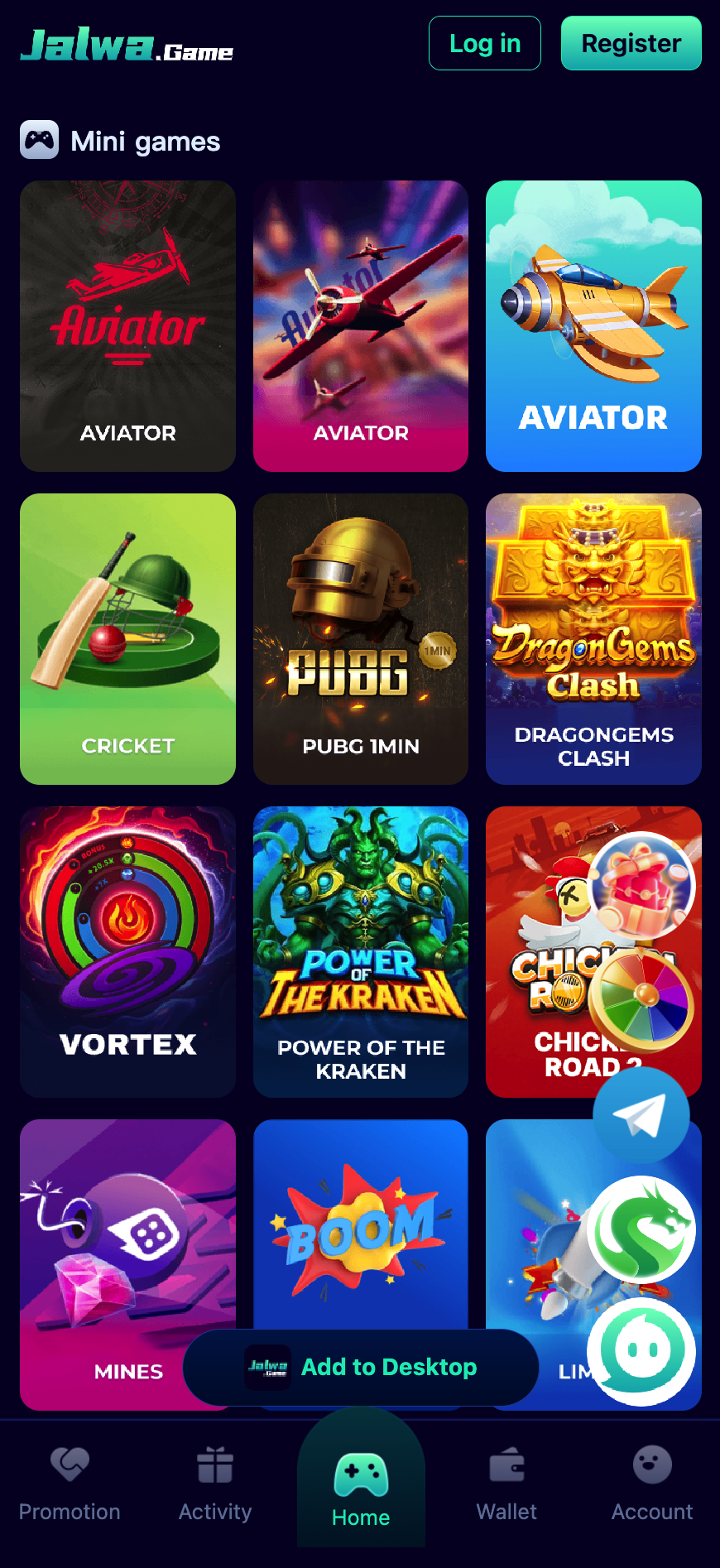
Mines-style games use a grid of hidden tiles. Crash-style games use a changing multiplier and an end point. They are different formats, even when both appear in a mini-game section.
What gives mini games their character?
These formats usually focus on a small set of visual elements. The appeal is easy to recognise from the screen, but a simple layout does not mean identical rules or predictable outcomes.
What to Look For
- 01Mines-style gridsThe layout centres on hidden tiles and revealed symbols. Board size and the way a round ends depend on the specific game.
- 02Crash-style roundsA multiplier changes during the round and stops at an end point. Animations and names may differ between versions.
- 03Know the exact titleTwo games can share a format without sharing the same rules. Read the title and information panel instead of relying on a familiar-looking cover.
The Essentials
- Examples
- Mines-style grids and crash-style rounds
- Visual focus
- Tiles or a multiplier
- Rules
- Game-specific
Questions, Answered
Are Mines and crash games the same?
No. Mines uses a hidden-tile layout, while a crash-style game centres on a changing multiplier.
Does a short round mean an easier result?
No. Round length describes pace; it does not establish the probability of an outcome.
About This Guide
An editorial introduction to common game formats and interface features. Refer to the current platform and the specific game for its rules.